Guest Writer Sarah Sinn reflects on the life and times of the late actor Reggie Bannister (and even finds a way to get some Freud and Maslow in there in the process!)
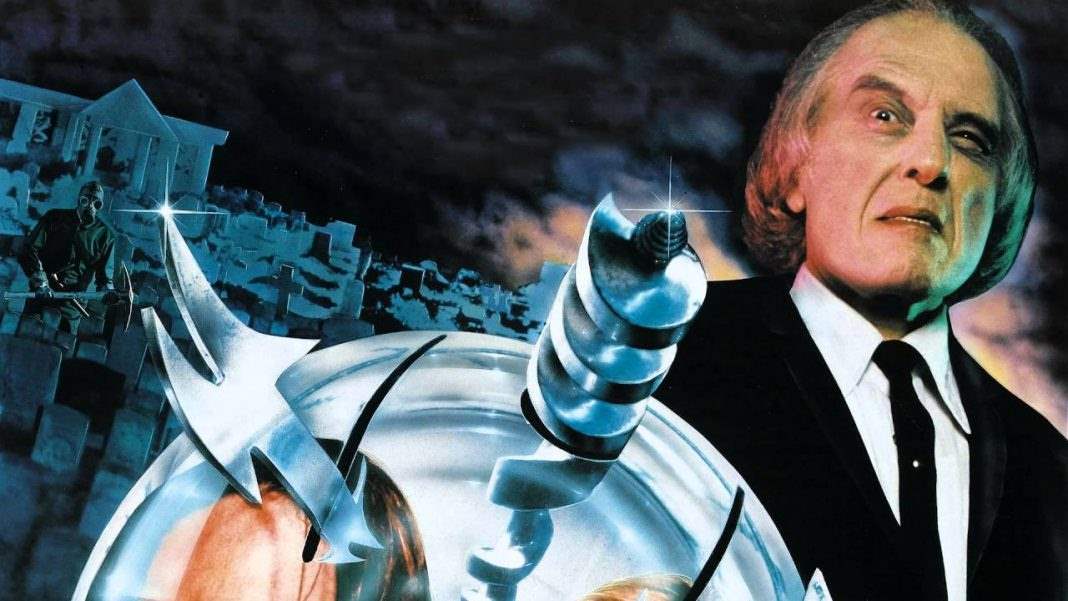
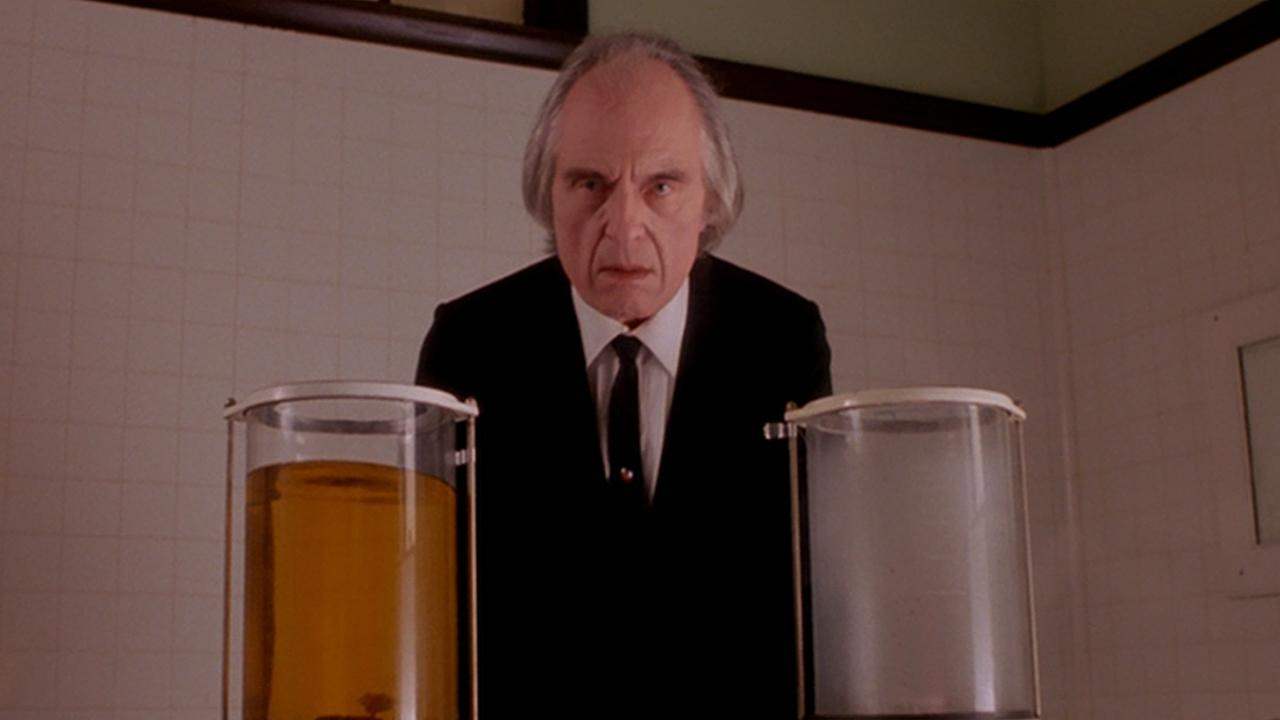
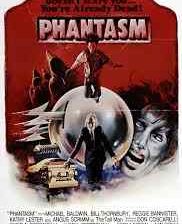
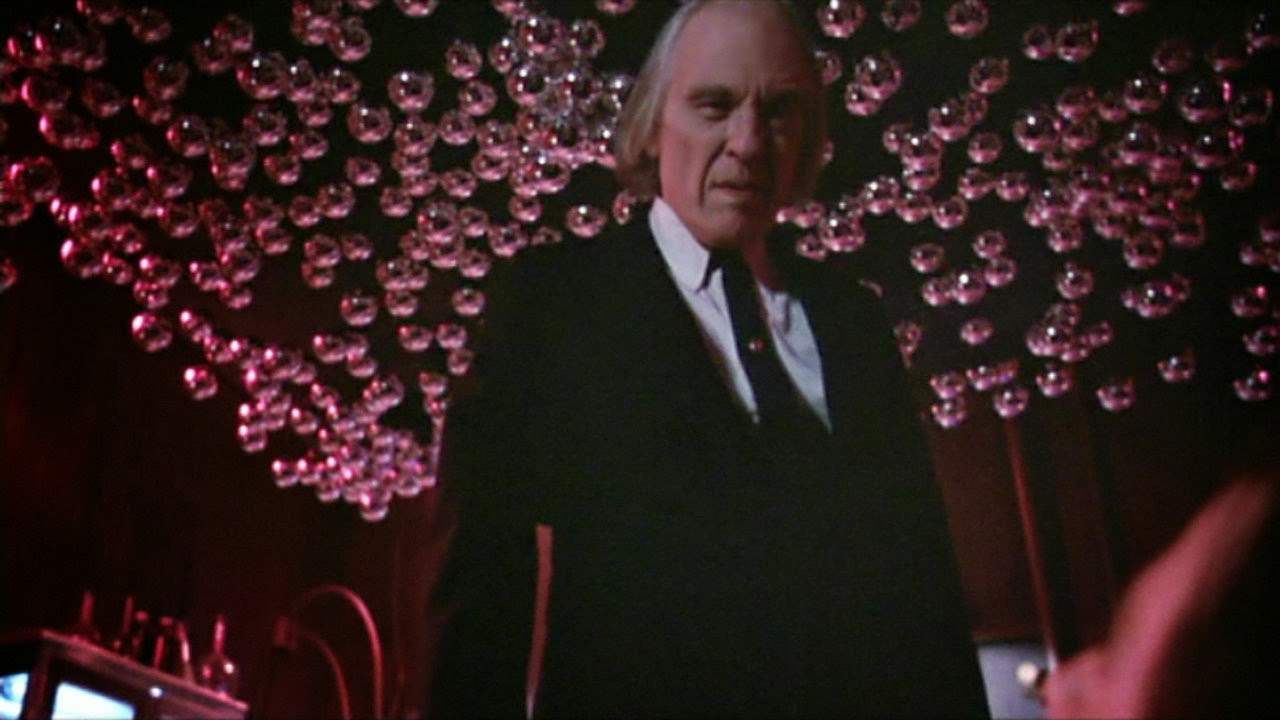
The horror community lost someone very special recently: Reggie Bannister. He was known as a musician as well as an actor. But to us horror fans? Reggie is a horror icon and has been in movies such as Wishmaster, Bubba Ho-Tep, and Silent Night, Deadly Night 4: Initiation. But he is most well known for the Phantasm franchise. In fact, Reggie was in all five Phantasm movies. He helped make Phantasm a staple in horror. Now, I’m not discounting Angus Scrimm who played the Tall Man, for the Tall Man is an iconic horror villain up there with the likes of Freddy and Jason. But Reggie? He was the heart and soul of the Phantasm movies.
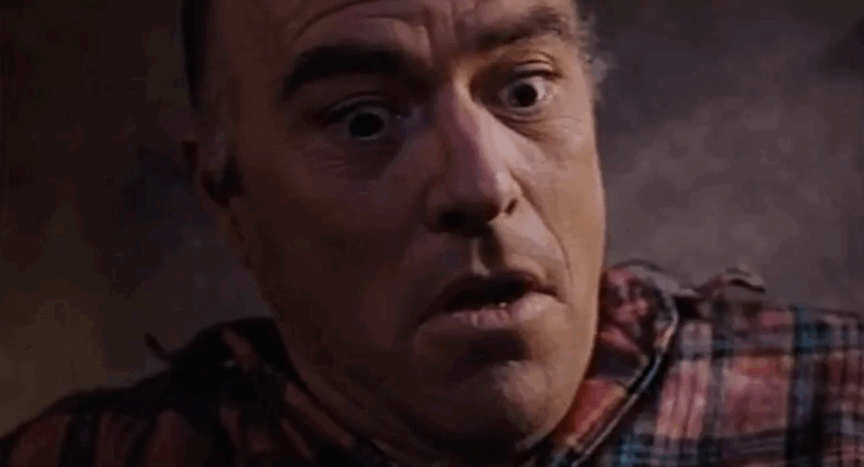
When we meet Reggie (in the first Phantasm movie), he’s just a guitar playing friend of Jody, an ice cream man (just a working man) and every man. But once shit hits the fan? He turns into a warrior. Once the Tall Man enters the situation, Reggie joins forces with Jody and Mike (Jody’s younger brother) to figure out who The Tall Man is and face the danger that comes with taking on the Tall Man. Very quick interjection here, at the beginning of the movie, we learn that early 20’s Jody is now the caretaker of his pre-teen younger brother, Mike, because their parents died in a car accident. At the end of the movie, we find out that Jody also died, leaving Mike alone where Reggie steps in to watch over him and become his new parental figure.
So, to pay tribute to this Legend, Reggie Bannister, I would like to give you an in depth, psychological analysis, character study on his most famous character, Reggie in the Phantasm movies.
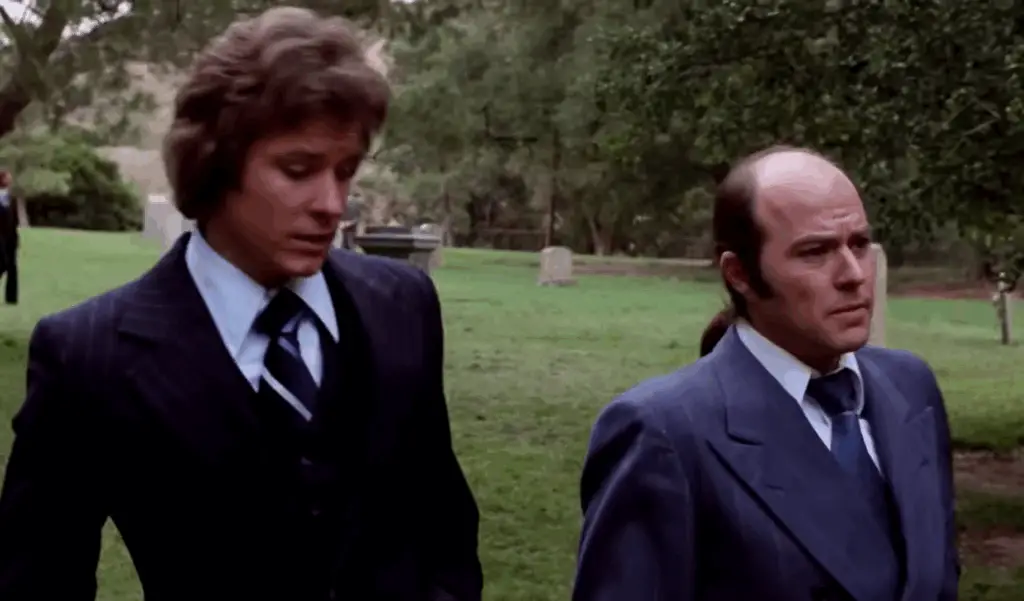

Let’s start off with one I talk about a lot because we see it a lot in horror movies: Our fight or flight response. American physiologist Walter Cannon developed this theory explaining that when we are in danger our brain will determine the best way for survival (fight the danger head on or run away). So, when talking about our fight or flight response, Reggie was mainly a fighter. No matter how scared or worried he was, he was never afraid to fight, especially for his loved ones. The remainder of the Phantasm movies, we see Reggie looking for Mike and Jody while also searching for the Tall Man in order to destroy him, saving his loved ones once and for all. Reggie was not afraid to take danger head on and fight tooth and nail in order to survive. However, Reggie also knew when to escape danger (flight) but it was never in a cowardly way. He knew when it was best to flee in order to fight another day. It was for survival. Reggie wasn’t afraid to fight but he also knew when he needed to retreat and run away from danger when necessary in order to survive. He had a strong fight or flight response even when scared, even when he was experiencing fear, he knew when to take danger head on and when to retreat. To me, this shows how Reggie was a brave man, not a coward.
Now, let’s move on to one of my favorite theories to discuss: The human psyche; the id, ego, and superego. The theory was developed by Sigmund Freud, who believed that the human psyche was split into three parts (id, ego, and superego) that help shape a person into who they are, their personality, thought process, and behaviors. All parts need to work together for the psyche to be in a healthy balance. Now, if you listen to my podcast at all, I typically try to find this theory within every movie (Freud is a favorite of mine). And I usually try to find which characters represent each section of the psyche: Who represents the id? Who represents the ego? And who represents the superego? But I believe that Reggie had a balanced psyche, each part doing its job to keep his head clear and keep him grounded. He had a healthy, balanced psyche.
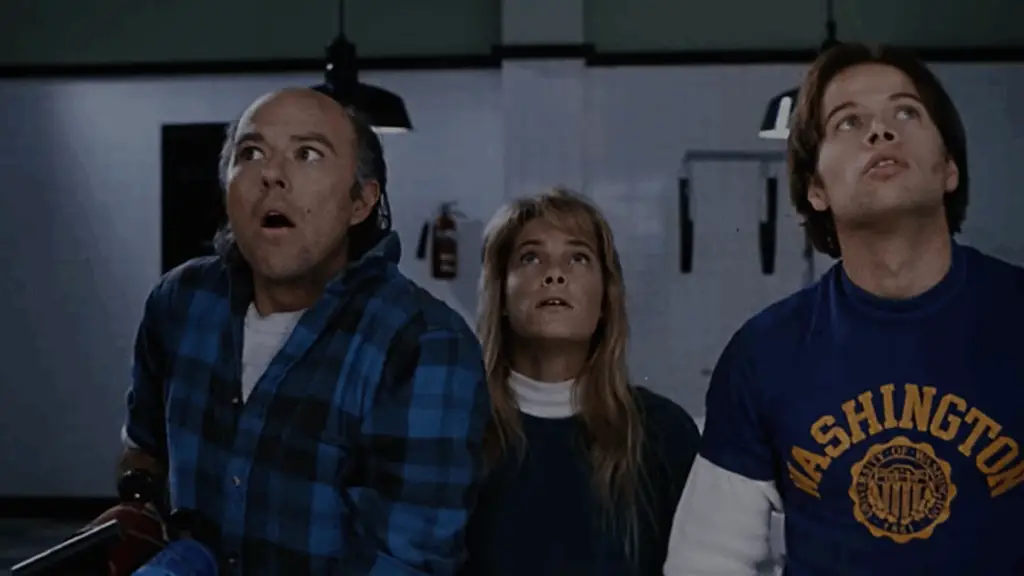
So, in short, the id is instincts, ego is reality, and superego is morality. That is the human psyche in its simplest terms. To add a little more, the id is primal needs, basic instincts. The superego is the moral compass, a person’s sense of right and wrong. And the ego is the realistic, rational part, the mediator between the id and superego. Reggie has all three parts working together, keeping him balanced and focused. His id? That was his survival instincts kicking in. The fact that he not only wanted to protect himself but he wanted to protect his loved ones as well. When push came to shove, Reggie wouldn’t think twice about fighting in order to survive and/or fight in order to save a love ones. Survival was important to him. Well, not just for him but for the people he loved. His ego? Once Reggie understood what/who the Tall Man was, his reality did change but he also accepted this “new” reality. Having rational thinking and strong problem-solving skills, both aspects of the ego, are what made Reggie not only smart but strong-willed as well. He understood the new reality he was living in and used his rational/problem-solving skills to navigate through this new reality in order to survive. His superego? I believe this was Reggie’s strongest aspect because he was driven by morality, his moral compass always pointing north. Not only was he always searching and/or fighting for his loved ones, but he was also willing to help others when needed. Reggie was loyal to his loved ones but willing to help others because he was driven by his superego, his moral compass because he knew what was the right thing to do was in order to survive. He understood that love, loyalty, and willingness to help those in need was what was best in order to survive the wrath of the Tall Man and the new world he created.
Now, there’s a lot more I could dive into when it comes to Reggie: Attachment theory, the dispositional needs theory, Piaget, and so on. But I would like to dive into Maslow’s Hierarchy of Needs for my last piece because I feel like this theory fits him so well. Maslow’s Hierarchy is built like a pyramid with five levels. In order to successfully move to the next level, one must achieve the goals and the needs of the previous level. The first level (starting from the bottom going up) is physiological needs. These are our basic needs that keep us alive: food, sleep, clothes, water, air. The second level is safety needs. This are our need to feel safe and secure within our life: shelter, a job, health, financial stability, support. The third level is love and belonging needs. This is our need for forming intimacy and connections with others: friends, family, a partner, relationships, affiliation. The fourth level is esteem needs. This is our need to feel respected and a sense of status: confidence, self-esteem, achievement, recognition, sense of self-worth. And the top level is self-actualization. This is where you reach your full potential, your own unique self: creativity, self-fulfillment, a sense of meaning, acceptance, feeling a sense of purpose.
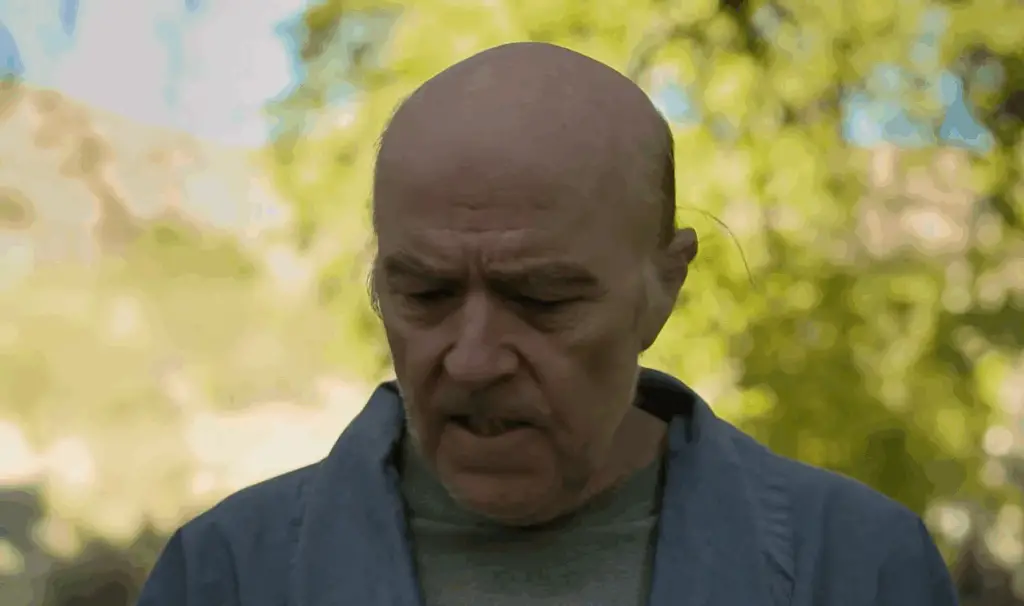
When we first meet Reggie, I believe he was self-actualized. His basic needs are met, he feels safe in his home and town, he has friends and a family and connections with others, he is confident in who he is and feels a sense of self-worth, and he is happy with who he is and where he is in life and he seems like he understands that his life has meaning. When the Tall Man shows up and everything turns upside down? It seems that Reggie gets knocked down to the bottom of the pyramid. Once the world turns into a battle of good vs. evil, a battle against the Tall Man, Reggie has his basic needs met but he seems to be fighting for safety and security. It seems that he isn’t safe anymore. However, I believe that Reggie is still self-actualized, which is why I believe he is one of the strongest characters in horror.
OK, hear me out. Reggie’s basic needs are met. We see this throughout each movie. He is able to find food, shelter, water, has air to breath, and finds places to sleep. He is also safe and secure within himself. Yes, he is in a constant fight for survival but he also has a strong fight or flight response so he will do what’s best to keep him safe and he isn’t afraid to take danger head on. He still has loved ones that he is willing to fight for, and he forms connections with others everywhere he goes because he is such a nice guy who cares about everyone. He is confident and has self-esteem about who he is and his fighting ability. He has no problem taking that 4-barrel shot gun and kicking ass when needed. And, finally, even though the world has changed, he adapts to it, accepts the changes, continues to fight … he knows who he is and is happy with who has become. He knows his strengths and understands his new meaning and purpose in life (and accepts it). This is why that, even though the Tall Man tries to knock Reggie down to the lowest level of Maslow’s Hierarchy, it doesn’t take Reggie long to climb back up to the top.
Rest in peace Reggie. I wish I could have met you in real life. I have heard so many amazing things about you. That you were kind, funny, an amazing musician, and an overall gentleman. I picture you up in heaven, playing your guitar with Angus Scrimm sitting next to you, surrounded by the horror legends we have lost in the past. Your character in Phantasm is proof that there is relatability in horror, that characters serve a purpose within these movies and not just for the body count, and that there’s so much more than what’s on the surface in horror movies. And as we all know by now, horror is healing.
Meet Sarah Sinn!
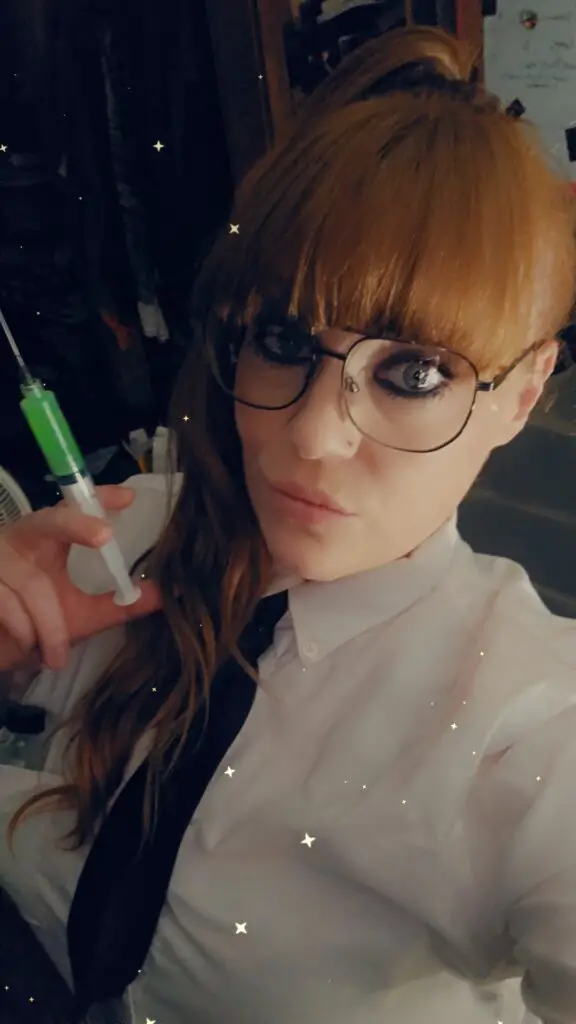
I currently live in Vermont, the state I was raised in, and I have a beautiful daughter named Hemera. I work full-time as the lead teacher of an infant room at a childcare center. Hobbies of mine are photography and cosplay (both me and my daughter). My signature cosplay is Herbert West (Re-Animator is my favorite movie) but I also cosplay as Tiffany Valentine, Quint from Jaws, Frank-n-Furter, Freddy, and soon I hope to show off my Kelly Meeker (from Halloween 4) cosplay I have been working on.
I am the host of Sinnful Sarah’s Horror Menagerie. A podcast where I dive deep, a psychological analysis to horror movies. I truly believe there is more to horror than what’s on the surface. Once you peel back those layers, there’s so much more going on. Horror is relatable. I believe that “horror is healing,” and can help many of us through various traumas and whatever life throws at us (it has helped me many times). I also believe that because there are so many subgenres within horror that everyone can enjoy the horror genre. They just have to find the subgenre that fits them. My personal favorite subgenre? Slasher flick. Give me a good ‘ol ’80s slasher any day.
I have an AA in Liberal Studies and Early Childhood Education and I graduated May of 2025 with a BA in Psychology. My goal is to pursue a Masters in the Psychology of Horror Movies. I want to teach at a University or film school. I want to educate people on the horror genre and show them that’s there more to these movies than just monsters, masked killers, gory kills, and final girls. Horror is healing, touches on Psychology and mental health issues, are social commentaries, reflect the fears of society (especially in the decade they were made in), are relatable, and most of all that horror is healing.
You can follow Sarah on X (the platform formally known as Twitter) at @SinnfulM and @Sinnful_redhead.